Guides
Which maker fits which milks and how often, the ratios for almond, oat, soy and cashew, what goes wrong with oats and with soy, how to keep the filter clean, and how to get homemade milk to froth.
No-strain milk makers
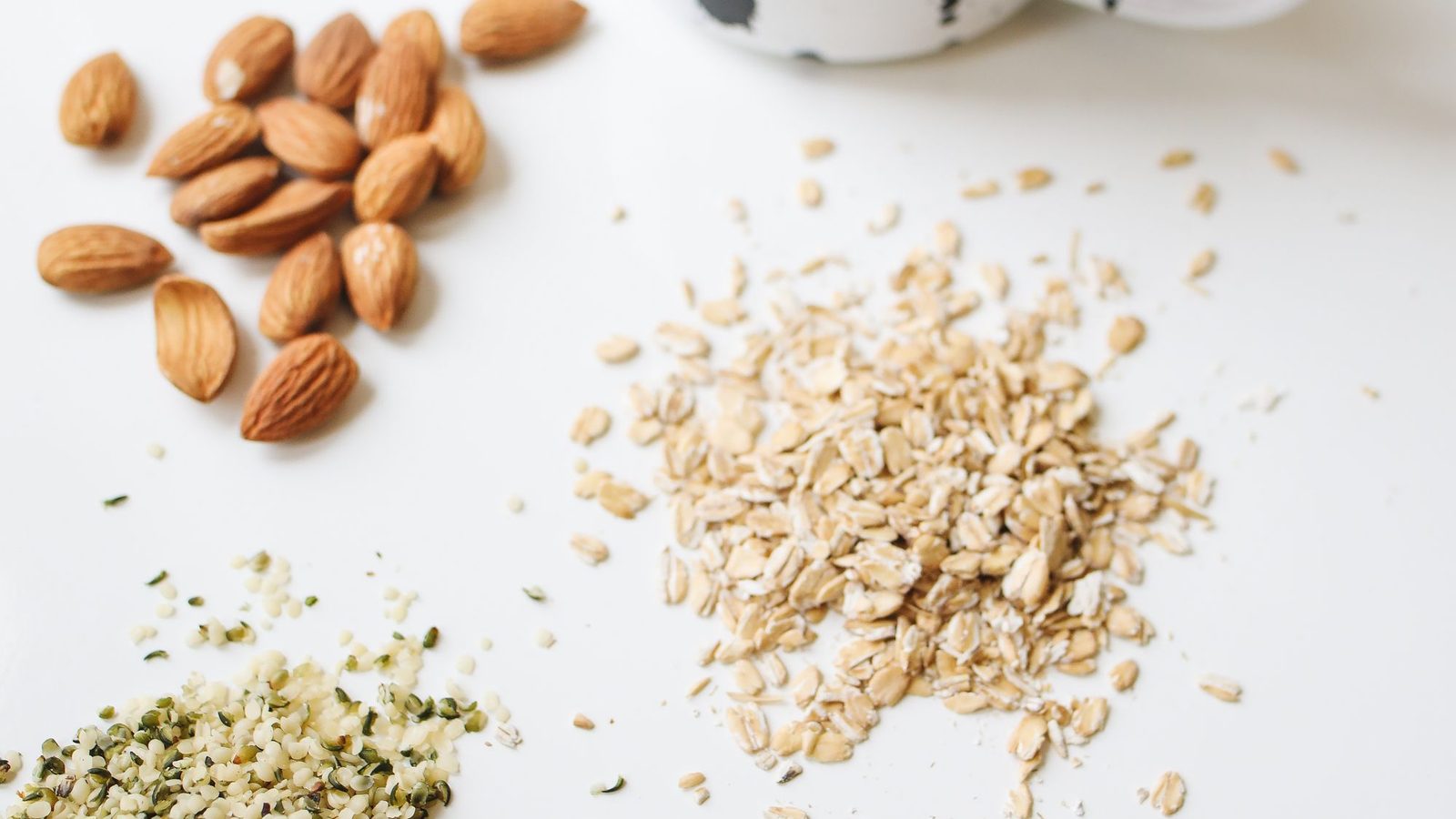
Almond, oat, soy and cashew: the ratios, the soak and which machine does which
How much nut to how much water for each plant milk, how long to soak, what the pulp is good for, and which kinds of maker handle each milk: cold machines for almond and cashew, heated ones for soy, a short cold cycle for oats.

Frothing homemade plant milk for coffee
Why homemade almond and oat milk won't foam like a barista carton, what gums and oils do, the two fixes that work at home (a little oil and a touch of lecithin, or a richer ratio), and the cold and heated makers that produce a milk that steams.
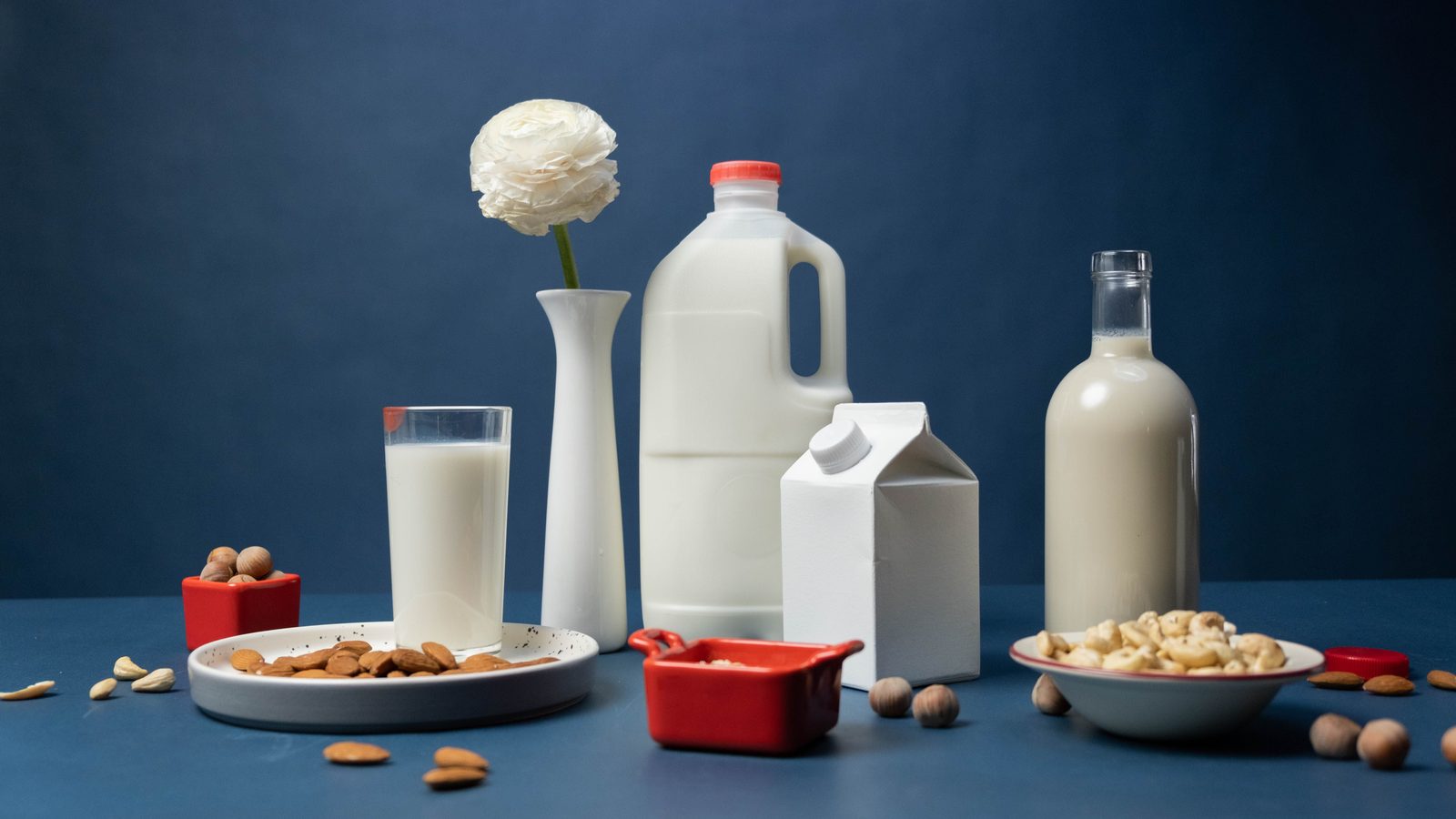
Which milk maker do I need?
Six situations and what fits each: almond milk most days, soy cooked properly, oat milk for coffee, one cup at a time, nothing plastic touching the milk, or a first try. Each names a kind of maker and a model or two, with the specs that decide it.
Heated soy and oat makers
Keeping a milk maker clean: the two-minute habit that keeps it on the counter
What to rinse the moment you pour, how the self-clean cycles actually work, what goes in the dishwasher on each kind of machine, how to descale a heated maker, and how to stop a nut milk bag from going sour.
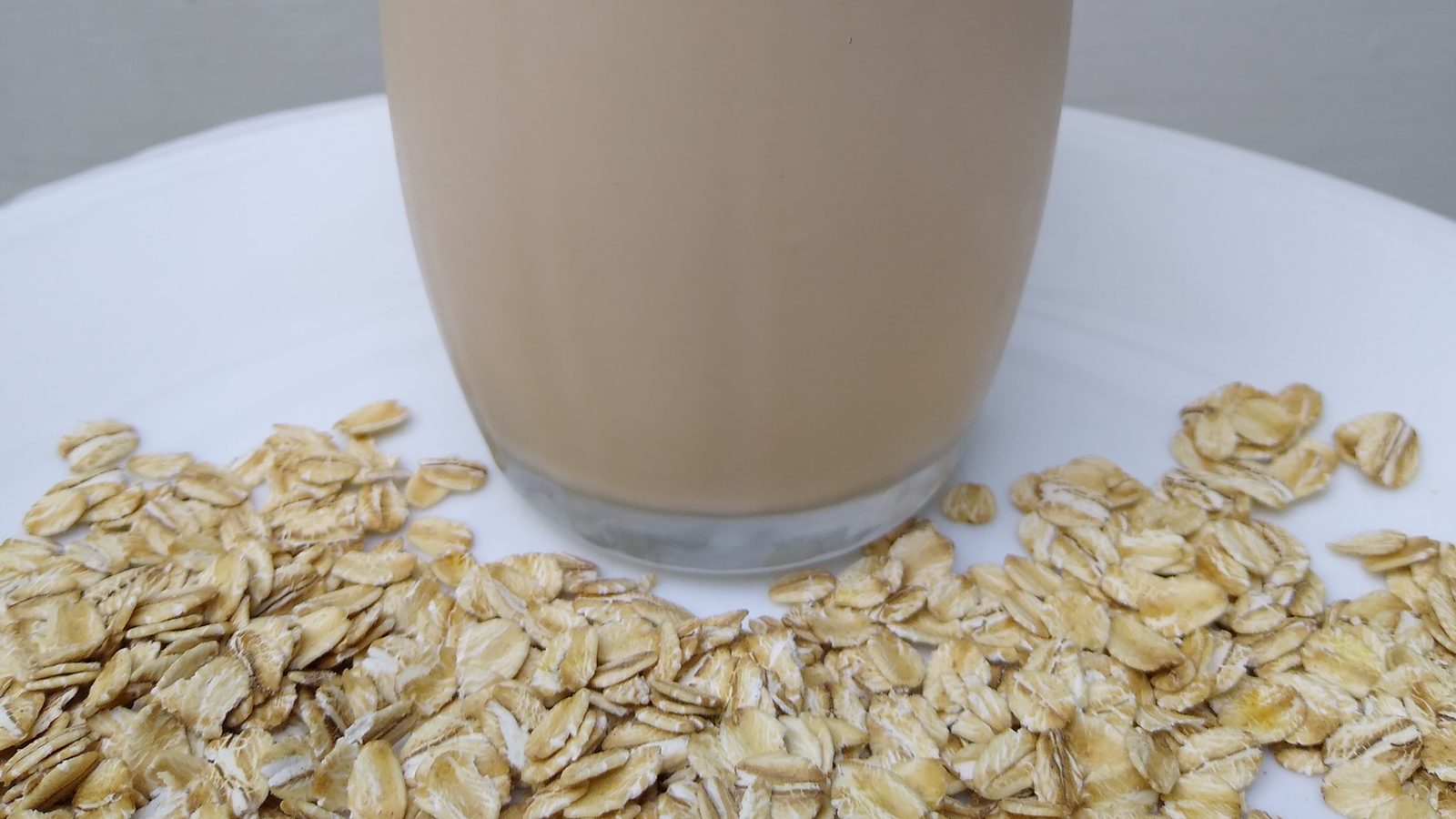
Why homemade oat milk goes slimy, and how to stop it
The starch chemistry behind slimy oat milk, the four things that cause it (heat, long blending, squeezing, soaking), the cold-and-quick method that avoids it, and which milk makers can grind oats cold.
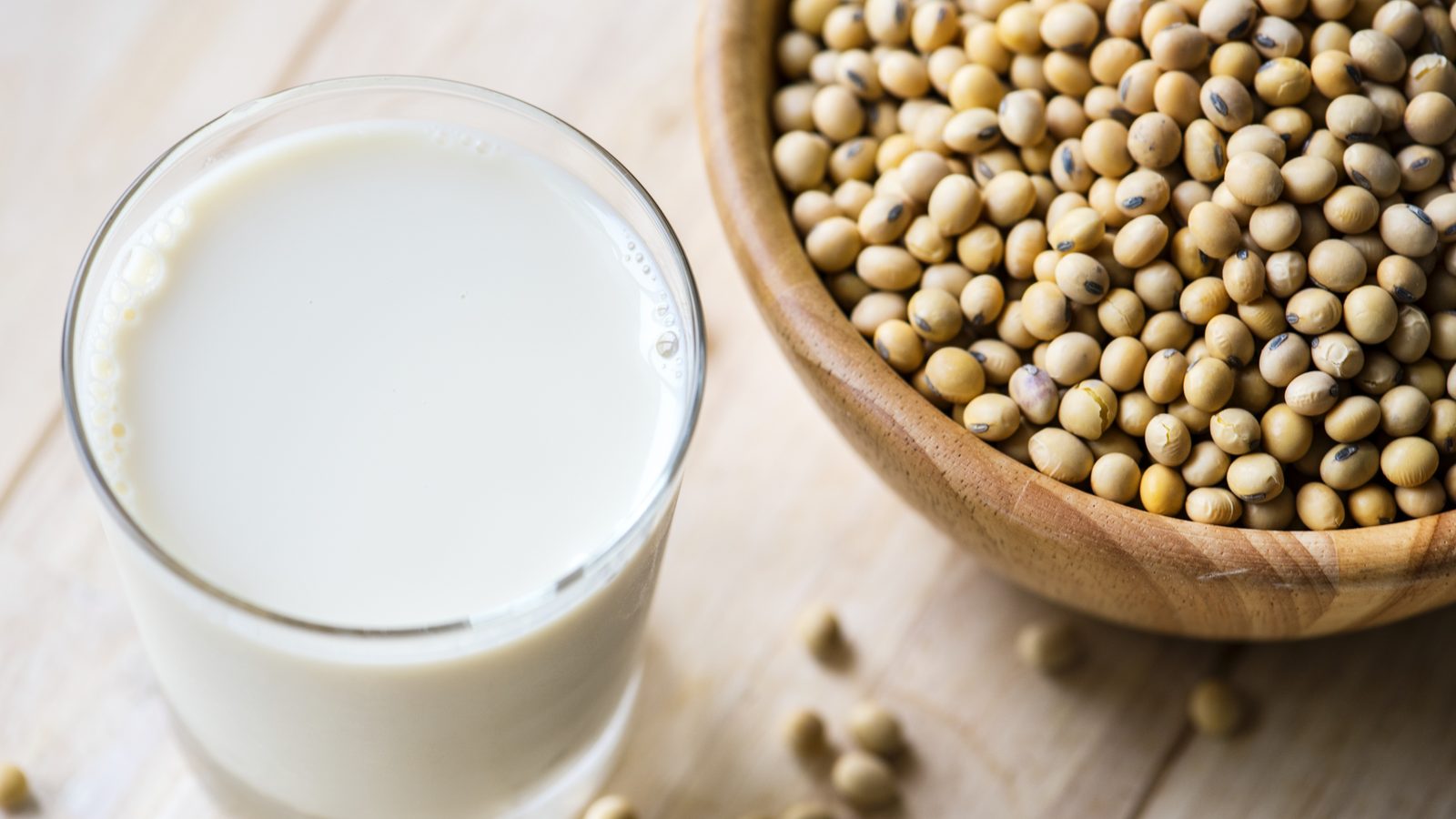
Why soy milk must be cooked, and the machines that do it for you
Raw soy milk tastes of bean and carries trypsin inhibitors; cooking fixes both. What a soy program on a heated maker actually does, how to cook stove-top soy milk from a cold machine or a blender, and how to handle the foam.